Table of Contents
Right here are three typical misunderstandings about grieving that we might believe when we consider our own or somebody else's method of grieving: Among the most usual misunderstandings about regreting is that everybody experiences it similarly. As we've established, grieving is an one-of-a-kind trip that is different for everybody.
"Furthermore, there's no specific order for the phases of pain. Our very first emotional response to loss might be anger and clinical depression.
And our feelings can come in waves of intensity. Initially, our emotions can be overwhelming. Over time, the intensity is likely to lessen although there might be minutes when it's just as fresh and overpowering as it was at. Many individuals obtain discouraged with themselves because they think they're regreting also long.
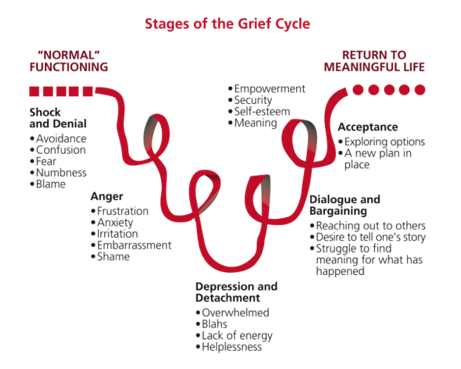
Sorrow is a complicated procedure that varies from one person to another. The 5 stages of sorrow rejection, temper, bargaining, anxiety, and approval are a practical framework for considering despair, but it doesn't mean we'll experience every phase. In a similar way, we can experience these facets of pain at various times, and they do not happen in one specific order.
The Science Supporting EMDR for Recovery
This site uses cookies to help personalise web content, tailor your experience and to keep you logged in if you register. By remaining to use this website, you are granting our usage of cookies.
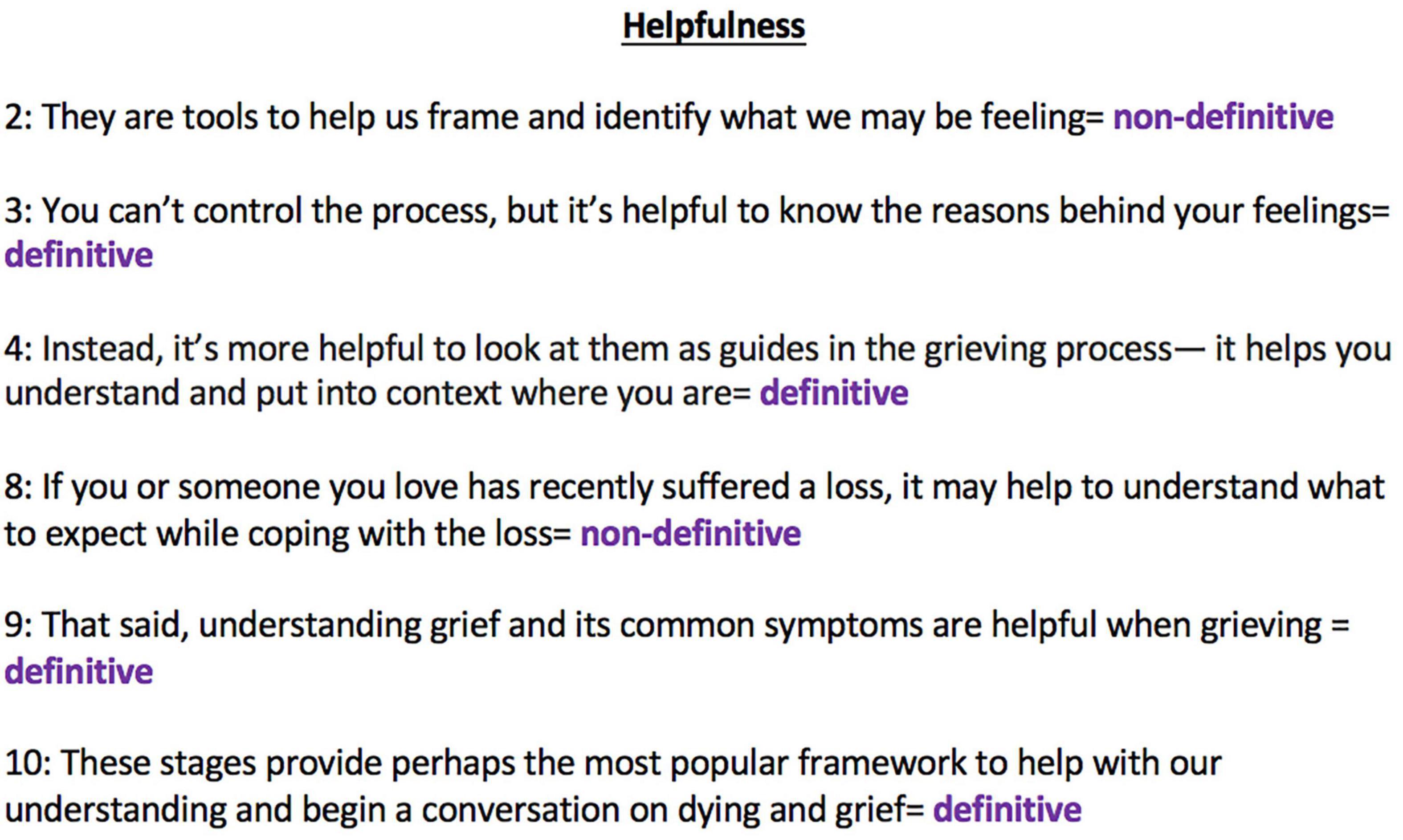
This cyclical framework is implied to assist you much better comprehend your feelings and is not meant to recommend how you ought to grieve, what you should be feeling, or in which order. Each phase might come and go or overlap the others.
Discover a lot more regarding the 7 phases of sorrow. Pain can be a tough and untidy process.
Specialized Treatment for Nurses in San Francisco
That's due to the fact that no one can ever be absolutely gotten ready for a loss so considerable. Consequently, when you are in shock after a loss, you may act normally or as though absolutely nothing has actually happened. Most of the time, this is due to the fact that your body has not refined the loss yet. You might feel like the situation hasn't "sunk in" simply yet.
These sensations and experiences are self-protective mechanisms that work as a buffer so that you are not bewildered at one time. Due to the fact that the death of a liked one can have such a considerable effect on you, you could experience denial. During this phase of pain, it is merely as well difficult for your brain to comprehend that your family members participant, friend, or other liked one is gone.
The Relationship Between Attachment Injuries and Excellence-Seeking
As you slowly begin to approve the loss and what it suggests for your life now, your rejection will begin to lessen. You may have a wider array of feelings and emotions when rejection disappears. Up until then, you may have periods when you feel troubled, which can be caused by reminders of your liked one.
In many cases, it's a typical sensation to wish to stay clear of others to make sure that you do not need to acknowledge or review your loss. Often, you really feel forgetful, obtain conveniently distracted, or procrastinate during this phase of pain. You may also attempt to remain busy regularly or shut down emotionally.
The Function of Body-Based Healing in Depression Healing
In particular scenarios, you might additionally really feel upset with the medical care carriers, your pals, relative, God, or any other soul(s) you count on. However under all that anger is your discomfort. While it might be awkward to deal with, it gives extra framework to your mourning than staying numb.
During this stage, people often feel defenseless and helpless and ask themselves "what if" inquiries. You may feel guilty for refraining from doing more to maintain the loss from taking place or for not investing even more time with the individual you shed. During the bargaining stage, it's typical to ask yourself or claim, "I must have done this ..." or "If I had actually just done that ..." While these types of questions are normal, they are not where you want your idea process to continue to be.
Rather, try considering any kind of excellent memories you have with them. Occasionally, merely mirroring on these ideas can help you release the guilt. It might also be useful to do something particular, like compose a letter to your enjoyed one or speak with them out loud. When you involve terms with the fact of the loss, a deeper level of despair may start to slip in.
You can also see for a list of additional resources or call the number below to get to Drug abuse and Mental Health Services Management (SAMHSA) hotline. The screening stage of the mourning process typically involves experimenting with different points that aid you move ahead. In this stage, you are starting to develop your new normal as well as processing your feelings and feelings developed by the loss.
Personal Limits for Therapists After Burnout Recovery in San Francisco
Reaching the approval phase does not imply you are OK with what occurred. Rather, this component of the mourning procedure is extra regarding approving what your life looks like now. You will still need to listen to your feelings and change, however you will start to feel even more wholeeven if it looks various than it did before.

Navigation
Latest Posts
Why Happens Within A Typical Therapy Session
Neural Pathways of OCD
Guiding Waterloo, Ontario Multicultural Residents During Culturally Informed Therapy